WATER, SANITATION & HYGIENE
1. Health Promotion
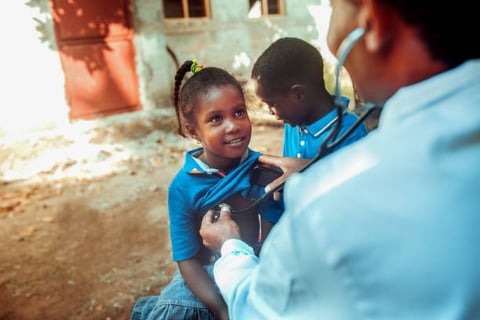
Community health promotion plays a crucial role in improving the well-being and quality of life in rural communities. In these areas, access to healthcare services and resources may be limited, making community-driven health promotion initiatives even more important. By mobilizing local residents, healthcare professionals, and community organizations, rural communities can promote preventive measures, health education, and lifestyle changes to address prevalent health issues. These initiatives include organizing health fairs, workshops, and outreach programs to raise awareness about common health risks, promote healthy behaviors, and provide screenings and vaccinations.
2. Community-Based Maternal, Newborn & Child Health
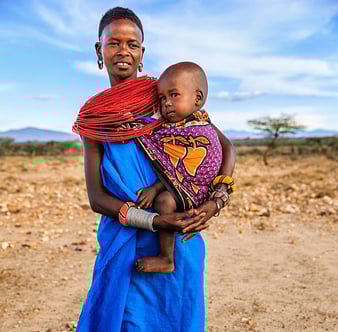
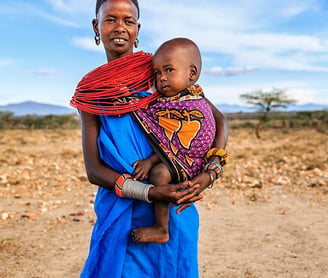
These programs focus on providing accessible and comprehensive healthcare services to pregnant women, newborns, and children, right at their doorstep. By engaging and empowering community members, such initiatives ensure that essential healthcare is delivered where it is most needed. Trained community health workers play a pivotal role in identifying and supporting pregnant women, promoting antenatal care, assisting with safe deliveries, and conducting postnatal visits. They also provide education on newborn care, breastfeeding, immunizations, and nutrition. Community-based approaches leverage local knowledge, cultural sensitivity, and community networks to address barriers to healthcare access, such as distance, lack of transportation, and limited resources. By delivering care within the community, these programs contribute to reducing maternal and child mortality rates, improving health outcomes, and fostering overall community well-being.
3. Hygiene & Sanitation
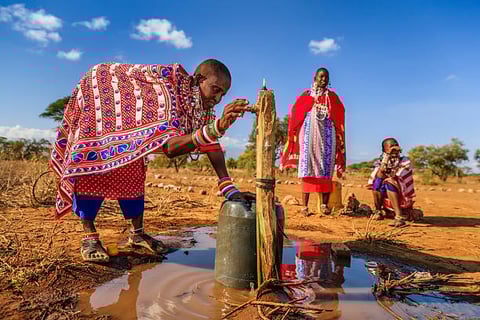
Hygiene and sanitation are crucial aspects of public health, and addressing these issues in rural communities is essential for promoting overall well-being and preventing the spread of diseases. In many rural areas, access to clean water, proper sanitation facilities, and education on hygiene practices can be limited. Lack of sanitation infrastructure, including toilets and waste management systems, can lead to open defecation and contamination of water sources, posing significant health risks. Promoting hygiene in rural communities involves raising awareness about the importance of handwashing, proper waste disposal, and maintaining clean living environments. Community education programs empower individuals to adopt good hygiene practices and provide knowledge on disease prevention.
Contact Us
villageplaninitiative@gmail.com
+254 727 073 356
+254 725 368 089
1st Floor, PEC House, Ngong Town

