Environment & Climate Change
1. Tree Planting Program
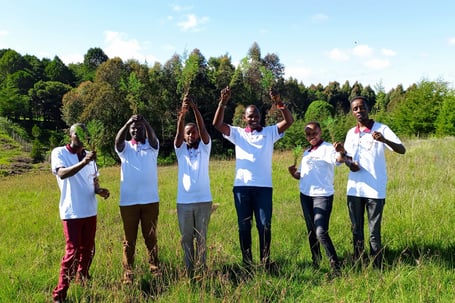
Tree planting initiatives in rural communities have a profound impact on environmental conservation. By actively engaging in tree planting programs, rural communities contribute to biodiversity preservation, soil stabilization, and climate change mitigation. Trees help restore degraded land, prevent soil erosion, and improve water quality by acting as natural filters. They also play a crucial role in carbon sequestration, reducing greenhouse gas emissions and combating climate change. Additionally, trees provide valuable ecosystem services such as shade, shelter for wildlife, and sources of food, fuel, and income for rural communities. Through community-led tree planting efforts, rural areas can enhance their resilience to climate-related challenges, improve local livelihoods, and create sustainable environments for future generations
2. Renewable Energy
Renewable energy offers significant potential for environmental conservation in rural communities. By harnessing sustainable energy sources such as solar, wind, hydro, and biomass, rural areas can reduce their reliance on fossil fuels and decrease their carbon footprint. Renewable energy systems provide clean and reliable power, ensuring access to electricity for rural households, schools, healthcare facilities, and businesses. This access to energy supports economic development and improves the quality of life in rural communities. Moreover, renewable energy projects can create local job opportunities, stimulating economic growth and reducing migration to urban areas.
3. Water Conservation
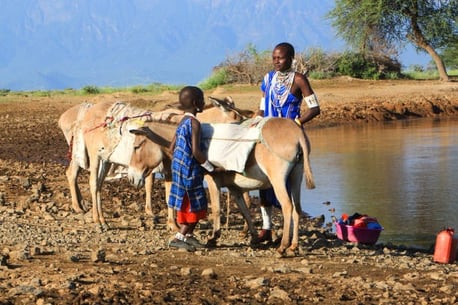
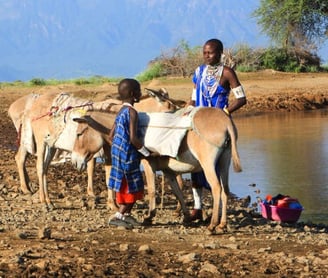
Water conservation in rural communities is crucial for ensuring sustainable access to clean water and preserving precious resources. These communities often rely on local water sources such as wells, rivers, and rainwater harvesting systems. Implementing water conservation practices can help mitigate water scarcity, especially during dry seasons or periods of low rainfall. Strategies such as promoting efficient irrigation techniques, installing water-saving devices, and educating community members about responsible water usage can make a significant impact. Additionally, implementing proper wastewater management systems, such as recycling and reusing water for agricultural or non-potable purposes, can reduce the strain on local water sources.
4. Organic Farming
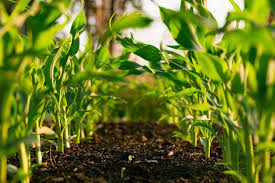
Organic farming holds great potential for rural communities, offering a sustainable and environmentally friendly approach to agriculture. By adopting organic farming practices, rural communities can reduce their reliance on synthetic chemicals, pesticides, and genetically modified organisms, thereby promoting the health of both the environment and consumers. Organic farming also emphasizes soil conservation and fertility enhancement through techniques such as composting, crop rotation, and natural pest control. In rural areas where conventional farming may face challenges like limited access to chemical inputs or market saturation, organic farming provides an alternative pathway for small-scale farmers to diversify their production and increase their income.


Contact Us
villageplaninitiative@gmail.com
+254 727 073 356
+254 725 368 089
1st Floor, PEC House, Ngong Town

