GENDER EQUITY
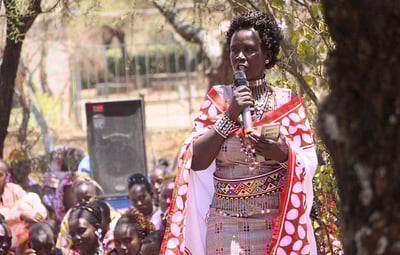
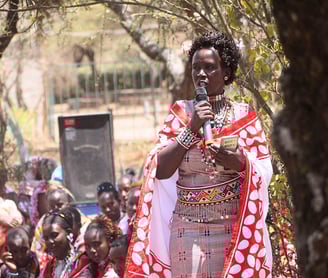
In Kenya, women's representation in governance has been low for an extended period. Men dominating all levels of decision-making from the local leadership levels such as the village elders, chiefs, and local committees to the national leadership levels has been the norm. Over time Kenya has made strides toward achieving gender parity in political leadership. The promulgation of the 2010 constitution was a key milestone for the country as it recognized women's rights as human rights. It further recognizes the principle of equality and non-discrimination as core values of leadership. As such, and about political representation, the constitution provides 47 special seats for women representatives drawn from the 47 counties. In addition, Chapter 7, Section 81b of the constitution states that “no more than two-thirds of the members of elective public bodies shall be of the same gender”. In many rural areas, women face unique challenges such as limited access to education, healthcare, and economic opportunities that deny them the opportunity to participate in leadership. To achieve this, the organization works with communities and like-minded stakeholders to advocate for gender equality and encourage women to participate in leadership at different levels. It also addresses issues hindering them from participating as their presence in leadership positions inspires other women and girls, breaking down traditional gender roles and stereotypes.
Leadership & Political Participation
Contact Us
villageplaninitiative@gmail.com
+254 727 073 356
+254 725 368 089
1st Floor, PEC House, Ngong Town

